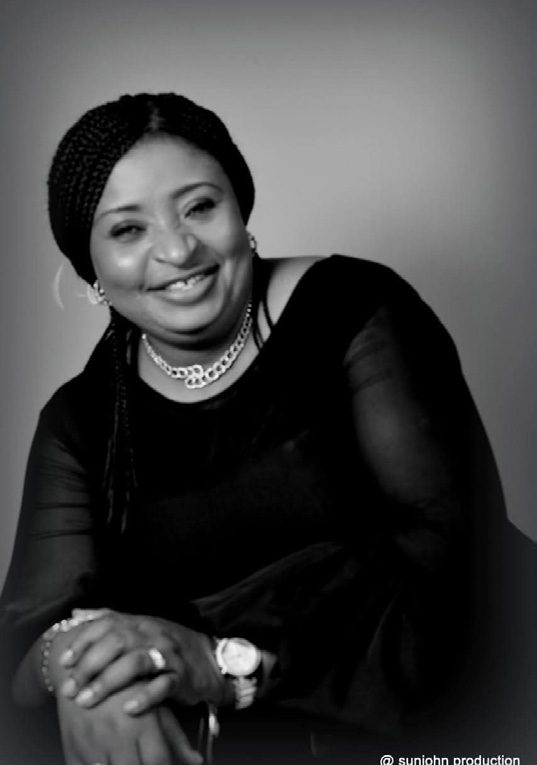
Menopause Made Easy
Dr Ronke Osoare
I just turned 45 and have started to notice my
periods slowing down. Could this be menopause? What are the common signs of menopause and perimenopause? Is hormone therapy safe during menopause? Can I do menopause hormone therapy MHT if i have had breast cancer or there is history of breast cancer in my family? How can I manage menopause symptoms? If you have these questions, this article is designed for you. As the title suggests, this write-up aims to simplify complex terms for easier understanding while also taking a holistic view of the topic and addressing questions women frequently ask. Menopause is not the end of life; it can be managed more comfortably, and that begins with understanding.
The term MENOPAUSE refers to a period in a woman’s life when she stops menstruating for a period of 12 months. There are times that a woman may miss her periods due to hormonal imbalance or contraception and they may not be menopausal. We call this, secondary amenorrhea.
in
Let us describe some terms here, for better understanding. ESTROGEN: One of the hormones controlling the menstrual cycle, secreted by the ovaries. PROGESTERONE: Another hormone the menstrual cycle which is found mostly in the second half of the cycle. It is useful in maintaining pregnancy if it does occur. TESTOSTERONE: A male hormone that is also found in women in lower concentration. PERIMENOPAUSE: This is a period before menopause, whereby a woman develops symptoms of menopause but still has periods regularly or irregularly. This period can be anything from 1 year to 10 years with a mean average of 4 years.
THE MENSTRUAL CYCLE The menstrual cycle starts at menarche when the young female body starts to change from the influence of hormones and menstruation begins. The eggs in the ovaries of the female starts to secret hormones in response to commands from the brain and the cyclical nature of egg maturation and death or fertilization leads to either pregnancy or menstruation.
All through the reproductive years of a woman’s life, the eggs are used up and at a certain age, they are reduced in number. This reduction also means a drop in the level of circulating estrogen and progesterone. This is when the woman begins to experience certain symptoms called perimenopausal symptoms. This decline in Estrogen levels can start as early as 35 years of age but most people experience symptoms in their forties. Estrogen receptors have been found in most organs in the body, which translates to its widespread usefulness in the functioning of a woman’s body. The bones, brain, skin, heart are all ‘beneficiaries’ of estrogen, so to say. When the levels begin to drop during perimenopause therefore, women start to elicit symptoms of estrogen deficiency.>
Dr ‘Ronke Osoare MBChB, PG Dip HIV Mgt. (Stellenbosch), ADAM (FPD) Aesthetic and General Practitioner.
Call - 0114729626 for bookings. WhatsApp only - 0824306684.
Warrior Woman Magazine
Issue 1 :: April 2026
Warrior Woman Magazine
SYMPTOMS OF PERIMENOPAUSE/ MENOPAUSE • Vasomotor Symptoms: Hot flushes, Palpitations
(heart beating fast), Excessive sweating. Hot flushes are often followed by coldness.
• Central Nervous System(brain): Brain Fog,
Anxiety, Paranoia, Loss of memory, Depression, Loss of Libido.
• Musculoskeletal System. Osteopenia (thinning
bones), Joint Aches, Frozen shoulder.
• Genitourinary System: Recurrent Urinary Tract Infections, Painful intercourse, Vaginal dryness, Abnormal vaginal Discharge
• Skin: Dry Skin, Acne Breakouts, Hirsutism (hair
on chin).
• Menstrual changes in perimenopause could be
anything from heavy bleeding with clots to reduced flow, to a reduced frequency.
• Weight Gain. • Fatigue.
There are over ninety to menopause. Heart disease risk increases in menopause, so keep an eye on your blood pressure and cholesterol
symptoms attributed
levels. There is increased risk of bone fractures.
HORMONE REPLACEMENT THERAPY Also known as Menopause Hormone Therapy (MHT), is the gold standard in managing the symptoms and preventing life threatening complications like heart disease and bone fractures. Menopause hormone therapy is not dangerous as many believe. Your doctor will determine if you are a candidate for this treatment or not by taking your past medical history and family history.
MHT can change your life and give you longevity with improved quality of life. Side effects are present just like for any other medication but it is not universal. Your doctor will order annual mammograms, pap smears and ultrasound of your uterus to monitor you for side effects.
Weight gain can also be a side effect. • There are different kinds of hormones. The basis for treatment is to replace/refill what is depleted and to replace with what is similar to what the body produces (Body Identical Hormones)
• Estrogen and Progesterone are commonly refilled.
Less commonly, we refill Testosterone.
• Your doctor will discuss with you the different
options and routes of administration. The transdermal route is the safest for estrogens and you take oral progesterone.
• PLEASE DO NOT USE ESTROGEN
UNOPPOSED. If you are getting MHT from a public facility, please talk to your health care provider. Unopposed estrogen can lead to endometrial cancer.
OTHER CONSIDERATIONS • Vitamin supplements are necessary in
perimenopause. These include Magnesium. Vitamin D. Omega 3 fatty acids.
• Monthly breast examination is necessary. You are not a candidate for MHT if you have had breast cancer. There are options for treating vasomotor symptoms.
• At least 6-7 hours of sleep is good therapy. • Spicy foods worsen the hot flushes, so avoid spicy
foods.
• Avoid taking on extra tasks, as they worsen anxiety. Know when ‘your plate is full’ and be honest with yourself.
• Exercise releases feel-good hormones and improves fitness. It improves quality of life in menopause/ perimenopause.
• Take breaks/vacations as needed. They improve
your mental functioning.
IN CONCLUSION As a believer, you must prepare for this phase of your life by building yourself in the word. Brain fog, anxiety, fatigue and paranoia in particular, are weapons fashioned against your spiritual life. If your life is not word-solid, you will doubt God’s love for you and you will slow down in your spiritual growth.
My counsel is as follows; Get a routine going against all odds. A routine involving word, worship and prayer. You must try! Involve others to help you do this if necessary. Your life depends on it. Stop taking yourself too seriously. The voices in your head are not real. Believe what God says about who you are and don’t listen to or believe anything else.Paranoia is real at this stage. Not everyone hates you. Be careful. Do not let the opinions of others matter too much. Keep good relationships. Avoid toxic ones but never stop loving.
Sister, you are not alone in this. The best is yet to come. Your life is not over. Seek help, hang in there and keep trusting Gods love for you. WWM
Issue 1 :: April 2026
Warrior Woman Magazine
Issue 1 :: April 2026